
Boudoir photography is intimate portraiture made for you. Some people book it to mark a milestone, some as a gift, some because they want to see themselves differently for an afternoon. There’s no single right reason, and no single way it has to look.
This is the overview. If you already know you want to book and just need the practical parts, skip to choosing a photographer or preparing for your session.
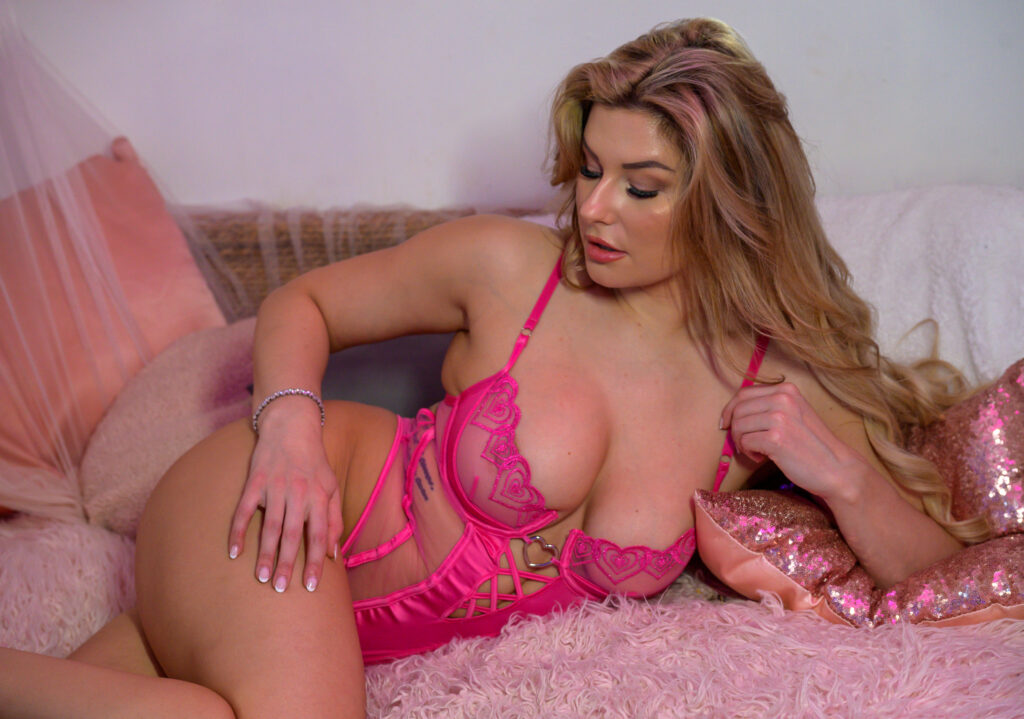
What boudoir photography actually is
The word comes from the French for a private dressing room, and the genre grew out of that idea — intimate images made somewhere safe and controlled.
In practice it’s far broader than the stereotype. Some sessions are lingerie and soft light. Others are an oversized sweater, bare feet, and a window. Some are high-contrast and graphic; some are quiet and almost documentary. The common thread isn’t the wardrobe, it’s that the images are made on your terms and belong to you.
If you want to see how different the results can look depending on approach, the styles breakdown covers the main directions.
Who books sessions, and why
- Confidence. The most common answer, and the least specific. People want to see themselves the way a good photographer sees them.
- Relationship milestones. Anniversaries, engagements, weddings — sometimes as a gift, often not.
- Marking a change in your body. Before or after pregnancy, after surgery, after a long stretch of not feeling like yourself.
- Life transitions. A birthday with a zero in it. The end of a marriage. A move. A milestone that deserves more than a phone photo.
- Because you want the pictures. Which is a complete reason on its own.
Plenty of people arrive skeptical about the emotional side and leave surprised by it. That’s common enough to be worth mentioning, but it isn’t the point — you don’t need a transformation narrative to justify booking a photoshoot you want.
If you’re weighing it up, this piece on whether it’s worth it goes deeper, and the myths piece addresses the assumptions that stop most people.
Preparing your skin
Start one to two weeks out, and mostly by not changing things. The week before a session is the worst time to introduce a retinoid, an acid, or any product your skin hasn’t met. Irritation shows up on exactly the wrong day.
Keep it simple and consistent: gentle cleanser, moisturizer, daily sunscreen. If you want to add anything active, do it during the prep window, not the final week. Hydrated skin photographs better than dry skin — it holds light instead of flattening it — so moisturize while your skin is still damp.
If you’re dealing with acne, pigmentation, or a specific condition, talk to a dermatologist rather than following a trend. The American Academy of Dermatology has a physician finder.
The week of: normal routine, decent sleep, steady water. Nothing dramatic.
What to wear
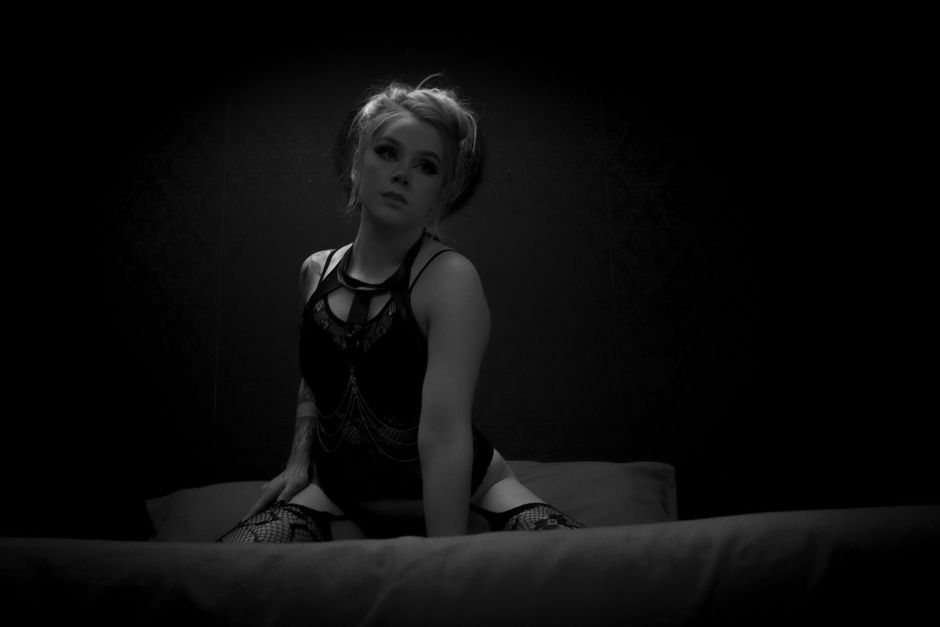
Lingerie, bodysuits, an oversized button-up, a robe, draped fabric, a favorite sweater. Some people shoot implied nude with careful posing. All of it works, and the only real criterion is whether you feel like yourself in it.
Bring more than you think you need. What feels right at home and what feels right once you’re in the room are often different things, and having options removes a decision you don’t want to be making on the day.
Also worth bringing: music you actually like, anything with meaning to you, and a robe for between changes.
What happens during the session
You arrive, you get settled, and nothing happens quickly. Hair and makeup, if you’ve booked it, doubles as a buffer — an hour of being fussed over before a camera comes out is a useful way to arrive.
Then the photographer directs you. This is the part people underestimate: you are not expected to know how to pose, and “just be natural” is not direction. You should be told where to put your hands, how to angle your shoulders, when to breathe out. The first stretch is usually deliberately easy while you settle, and the strongest frames tend to come in the back half once you’ve stopped thinking about it.
The full walkthrough covers it start to finish, and this in-home couples session shows what a real one looks like.
After: editing and delivery
You’ll get edited images, not raw files. Normal retouching means light, colour, and the odd blemish — the version of you that showed up that day, on a good day.
Retouching that reshapes bodies is a different thing, and it’s worth deciding in advance whether you want it. Look closely at a photographer’s portfolio: if every person in it has been narrowed, you’ll get that too unless you say otherwise. Ask about editing style before you book, not after you see the gallery.
Your images stay yours
This deserves its own section because it’s the question people are most nervous to ask.
You should know, in writing, whether any image can appear on a photographer’s site or social media, how you opt out, how files are stored and for how long, and who else handles them — editors, retouchers, assistants. A photographer who shoots boudoir regularly will have clear answers and put them in the contract without being asked twice.
Vagueness here is the single loudest warning sign in the whole process.
Finding the right photographer
The short version: choose for style fit first, and for how the consultation feels second. Almost everything else is noise.
Look at complete galleries rather than highlight reels — you’re checking for consistency, not peak. Ask how much direction they give. Ask what happens in the first fifteen minutes. Notice whether they ask about you or only describe what they sell.
Review counts are a weak signal; they mostly measure how long someone has been working and how consistently they ask. A photographer with a smaller portfolio whose work looks exactly like what you want will serve you better than a busier one whose style doesn’t.
The full selection guide has the specific questions to ask, including the ones about pricing and privacy.
Frequently asked questions
Is boudoir only for women?
No. It’s traditionally been marketed that way, but men and non-binary people book sessions too. Nothing about the genre requires a particular gender.
Do I need a certain body or age?
No. This is the most common hesitation and the least founded one. The work is about photographing the person who shows up, and a photographer who does this well knows how to light and pose any body.
Can I keep the photos completely private?
Yes, and you should confirm it in the contract rather than assume it. Plenty of clients never share a single frame.
What does a session cost?
It varies enough that any single figure would be misleading — length, image count, hair and makeup, and whether prints or an album are included all move it substantially. Rather than comparing headline prices, ask what’s inside each one. Two quotes that look far apart often aren’t.
How far ahead should I book?
Spring and autumn fill first along the shore. If your session is tied to a date — a wedding, an anniversary — work backwards with room to spare, and ask about the calendar early even if you’re not ready to commit.
Booking in Monmouth and Ocean County
I photograph boudoir and intimate portraiture across the Jersey Shore — in studio, in clients’ homes, and in rentals near the water around Spring Lake, Sea Girt, Bay Head, Mantoloking and Point Pleasant Beach. If you want to talk through whether it’s a fit, send me a message. The consultation is a conversation, and every question on this page is fair game.