
Photo sizes matter more than you’d think. Whether you’re getting prints from a recent shoot or ordering enlargements for your home, picking the wrong size can make a huge difference in how your photos actually look and feel. Let me walk you through the standard photo sizes so you can choose what works best for your needs.
The most common photo sizes range from tiny wallet prints all the way up to poster-sized enlargements. Each one has a specific purpose, and once you understand what they’re used for, ordering becomes way easier. If you’re working with a professional photographer like Brian Lundy Photos, they can help guide you toward sizes that’ll showcase your photos in the best light.
The Most Popular Photo Sizes Explained
Let’s break down the sizes you’ll actually encounter. Most people don’t need every option, but knowing what’s available helps you make smarter choices.
Wallet prints (2.5 x 3.5 inches) are the smallest standard option. They’re perfect if you want to slip a photo into your wallet, give copies to friends, or create a small keepsake. They’re affordable and fun, but the detail can get lost at this tiny scale.
4 x 6 inches is hands down the most popular everyday size. This is what you think of when you picture a standard printed photo. It’s affordable, easy to frame, and works great for albums or displaying on shelves. Most people start here when they’re not sure what size to order.
5 x 7 inches gives you a nice step up without being overwhelming. It’s a great middle ground if a 4×6 feels too small but you’re not ready to go full-size. Lots of standard frames come in this size, which makes them easy to display.
8 x 10 inches is the professional portrait standard. This is the size professional photographers like those at Brian Lundy Photos specializing in senior and graduation photos often recommend for portraits. It’s large enough to see all the detail and emotion in a face, but small enough to fit on most walls. If you’re getting a professional headshot or family portrait, 8×10 is usually the sweet spot.
Related: Portrait Photo Guide: Lighting, Composition & Camera Settings
8.5 x 11 inches (letter-sized) is less common for photos but works if you want something that fits standard frames or document holders. It’s kind of an awkward ratio for most photos, so you’ll rarely need this unless you have a specific purpose in mind.
12 x 18 inches and larger sizes start getting into statement territory. These work great as focal points on your wall or as enlarged versions of your favorite shots. At this size, print quality really matters because any imperfections become more obvious.
18 x 24 inches and 24 x 36 inches are poster-sized prints. These make serious design statements and work best for spaces where you want one big, bold image. Think accent walls in your home or professional displays.
How to Choose the Right Photo Size for Your Needs
Picking the right size depends on what you’re actually doing with the photos. Let’s match size to purpose.
For albums and collections: Go with 4×6. It’s the standard album size, and you’ll fit more photos without the cost adding up. Plus, they’re easy to organize and share with family.
For framing: This depends on your wall space and how bold you want to go. An 8×10 works in most rooms and becomes a nice focal point without overwhelming the space. Larger sizes (12×18 and up) work better in bigger rooms or if you want serious visual impact.
For professional use: If you’re a model building a portfolio or getting headshots for work, 8×10 is standard. If you’re getting engagement or wedding photos, your photographer might recommend 8×10 for albums and larger sizes for wall displays. Check with Brian Lundy Photos about their recommendations for engagement and wedding photos to see what they suggest for different purposes.
For displays and events: Larger sizes (11×14, 12×18) work better here. People need to see detail from a distance, so bigger is usually better.
Quality Matters at Bigger Sizes
Here’s something important: as your photos get bigger, print quality becomes more critical. A tiny imperfection you’d never notice in a 4×6 becomes obvious at 24×36. This is why working with professional photographers matters.
When you get photos shot professionally, the photographer captures high-resolution images that can be enlarged without losing quality. You can’t just take a phone photo and blow it up to poster size. It’ll look grainy and pixelated.
This is why Brian Lundy Photos works with high-quality cameras and professional printing partners. They can guide you toward sizes that’ll actually look great printed.
Standard Aspect Ratios and Cropping
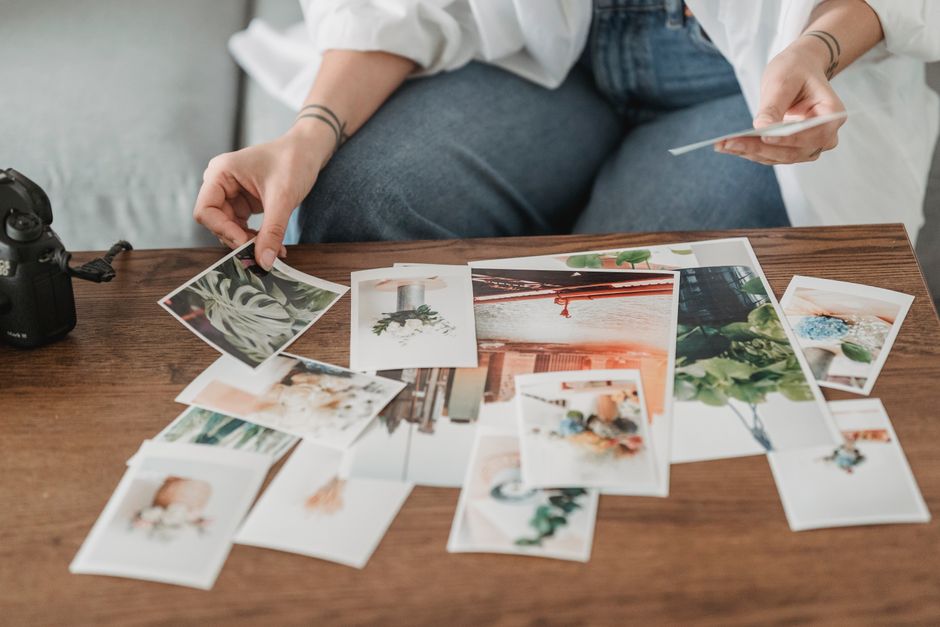
One thing that trips people up is aspect ratios. Most photos get shot in a 4:3 or 3:2 ratio, which means they fit naturally into certain sizes.
Your standard sizes break down like this:
- 4×6, 8×12, 12×18, 16×24 all have a 2:3 ratio (common for photos)
- 5×7 and 8×10 have different ratios (5:7 and 4:5)
- Wallet prints are 5:7 ratio
When you order a size that doesn’t match your photo’s natural ratio, the printer either crops or adds white space. Professional photographers know this and can help you choose sizes that work with your specific images without weird cropping.
Pro Tips for Ordering Photo Prints
Before you hit order, here’s what actually matters:
Ask your photographer what they recommend. If you got your photos from Brian Lundy Photos for modeling portfolios or any professional session, they’ve already thought about sizing and can steer you right.
Order a small test print first if you’re unsure. Grab a 4×6 or 5×7 before committing to an 11×14. Seeing it in person changes everything and helps you understand how the photo will actually look printed.
Consider your space. Measure your wall and think about how big a print will feel in that room. A 24×36 poster looks amazing in a loft but can overwhelm a small bedroom.
Check the DPI (dots per inch) if you’re ordering from an online printer. 300 DPI is professional quality and gives you the sharpest results.
Don’t be afraid to go bigger than you think you need. Photos almost always look better larger than expected because detail comes through.
When to Order Different Sizes
Real talk: you probably don’t need every size. Here’s what actually makes sense to order:
For most people: Get a mix of 4×6 prints for albums, one or two 8x10s for framing, and maybe one larger print (12×18 or 16×20) as a focal point somewhere in your home.
For special events: If you’re celebrating a graduation, engagement, or family milestone, 8x10s are the classic choice. You can frame them, give them to family members, or display them proudly.
For professional use: Headshots and portfolio photos should almost always be 8×10. That’s just industry standard and what people expect.
For wall galleries: Mix sizes. Combine 5x7s with 8x10s and maybe one 11×14 to create visual interest. It looks more intentional than all the same size.
The key is starting with what you actually need, then expanding from there. If you shot an amazing engagement session or got killer senior photos, talk through sizing options with your photographer to make the most of those images.
Understanding Digital File Sizes vs Print Sizes
Quick clarification because people sometimes mix these up. When you’re shopping for photos or talking to photographers, there’s a difference between the digital file size (measured in megabytes) and the physical print size (measured in inches).
Your photographer delivers high-resolution digital files. Those can be printed at basically any size, but there’s a practical limit based on the resolution. Most professional cameras capture images that print beautifully up to 16×20 or 20×24 without any quality loss. Going bigger is possible but requires special consideration.
This is why you want to work with professionals who understand printing. They’ll deliver files that work for your specific needs, whether that’s small wallet prints or large gallery-quality enlargements.
FAQ
For more practical takes like this one, Brian Lundy Photos is where they live.
What photo size is best for framing?
8×10 inches is the most versatile. It’s large enough to see detail and emotion in portraits but fits on most walls without overwhelming the space. Smaller spaces work great with 5×7, and larger rooms can handle 11×14 or 12×18 beautifully.
Can I print small digital photos in large sizes?
Not really without losing quality. Low-resolution phone photos or images from social media can’t be enlarged much beyond 4×6 or 5×7 before they start looking pixelated and blurry. Professional photographers use high-resolution cameras specifically so you can enlarge prints without quality loss.
How many 4×6 prints should I order?
That depends on your album size and how you like to display photos. A standard album holds about 100-200 photos depending on the layout. Most people order 50-100 4×6 prints as a starting point, then add more later as needed.